Licensed Marriage & Family Therapist · Navy / USMC Veteran

Clinical care, built on a combat medic's discipline.

I am Randy Wynglass — a former U.S. Navy and U.S. Marine Corps combat medic, now a California-licensed psychotherapist with fourteen years of clinical experience. The same instinct that ran toward emergencies in service now sits with patients in the slower, more careful work of repair.

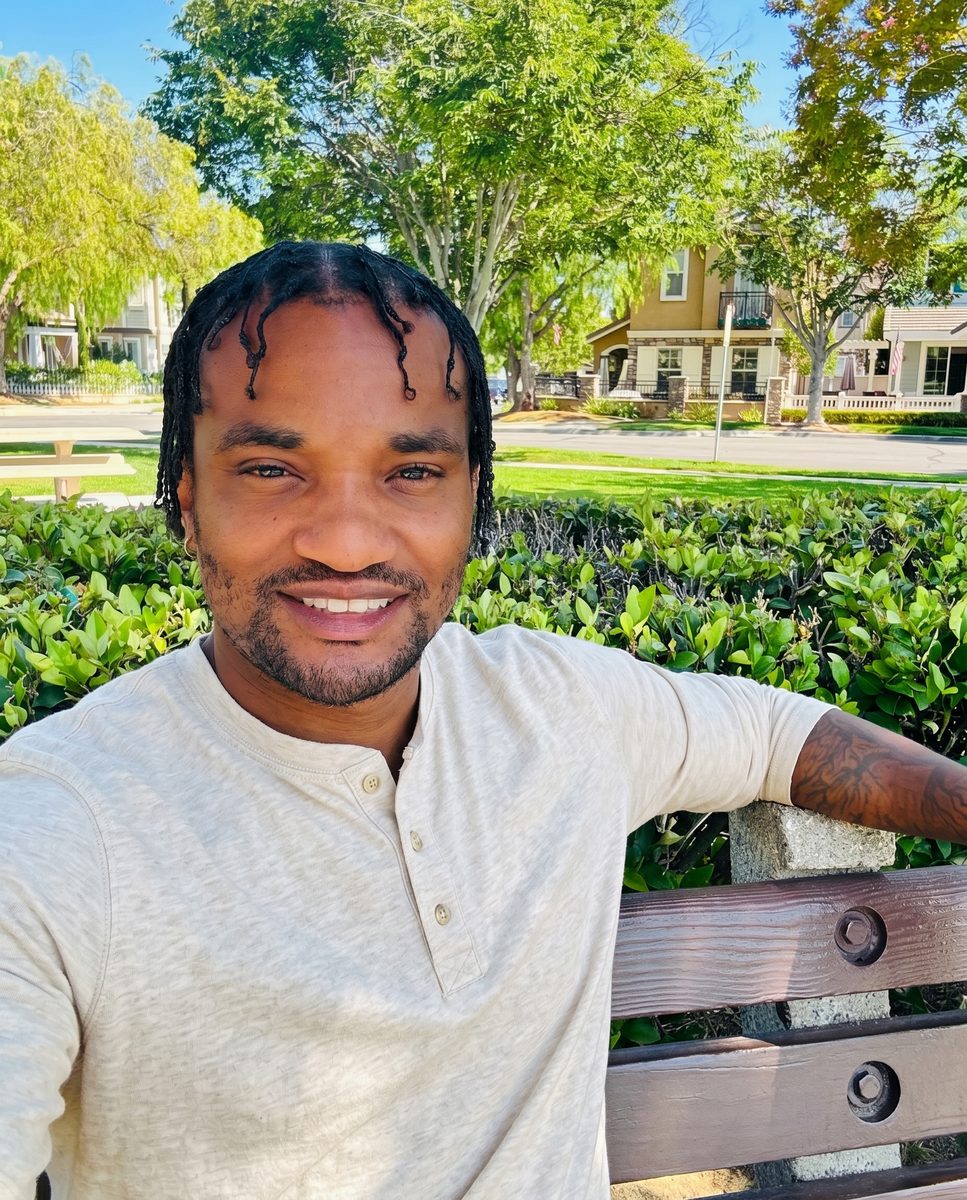
Portrait of Randy Wynglass, LMFT — California-licensed Marriage and Family Therapist
Randy WynglassLMFT · California
14
Years in Practice
5+
Treatment Modalities
Vet
Navy / USMC Service
CA
Licensed · Telehealth
About the Practice

Clinical work, grounded in lived experience.

My work is shaped by two parallel experiences — the discipline of medicine practiced under pressure, and the slower, more careful work of helping a person trace the architecture of a belief that no longer serves them. Both demand the same thing: presence without performance.

I help patients identify and challenge unhelpful beliefs rooted in early childhood — the quiet assumptions that govern how we relate, how we work, and how we tolerate being seen. Using evidence-based cognitive and acceptance-based methods, I team with each patient to make the implicit explicit, so it can be questioned, revised, and lived with differently.

In our first session, you can expect a warm greeting and the experience of feeling safe, heard, and protected as we share this sacred space. My strengths are listening, reflecting back what I actually hear, attention to structure, and the use of humor when humor is honest. I work best with patients who are willing to do the work — thought records, suggested reading, skills practiced between sessions — and who are comfortable working with a Black professional and value diversity in clinical care.

Core Modalities

Three evidence-based approaches at the heart of the practice.

My clinical work draws on cognitive, acceptance-based, and trauma-focused frameworks. The right tool depends on the patient and the moment — not the other way around.

CBT

Cognitive Behavioral Therapy

10 years of clinical practice

Tracking and modifying unhelpful thoughts and beliefs that drive emotional reactivity. Challenging distorted perceptions through thought records, behavioral experiments, and structured between-session practice — the discipline of bringing the implicit into view so it can be revised.

ACT

Acceptance & Commitment Therapy

5 years of clinical practice

Teaching cognitive fusion and defusion skills so patients can align daily behavior with their core values — not with whatever thought happens to be loudest in the room. ACT recovers agency without requiring you to win an argument with your own mind.

EMDR

Eye Movement Desensitization & Reprocessing

EMDR-certified clinician

A trauma-focused protocol that helps the nervous system metabolize memories the body has been holding. Used selectively, with proper preparation, and within a stable therapeutic alliance — never as a shortcut around the relational work that makes it safe.

Additional approaches — including Trauma-Focused CBT, grief and bereavement therapy, and faith-informed Christian counseling — are available when clinically indicated or by request.

Verified Client Testimonials

In their own words — anonymized for privacy.

The testimonials below are paraphrased from verified client reviews submitted through Grow Therapy. Personal identifiers have been removed; emotional outcome has been preserved.

"

From the very first session I felt heard and respected. He met me where I was and made it clear he was ready to work alongside me to become better.

Verified Client · After Session One
"

He doesn't stay on the surface. He looks for the root of the problem and helps you find a way through it. A genuinely skilled therapist.

Verified Client
"

The intake was warm and unhurried. I left the first session with real hope that this would be a relationship I could trust over time.

Verified Client · After Intake
"

I came in guarded. He didn't push, didn't perform. He just stayed steady, and over time I noticed I had started telling the truth more often, including to myself.

Verified Client

Drawn from 26 verified client reviews across Grow Therapy. Reviews paraphrased to protect client identity per professional ethical guidelines.

Clinical Resources

Two of the threads my work most often follows.

A short introduction to two clinical themes that surface repeatedly in my practice. These are starting points, not substitutes for individualized treatment.

Cognitive Work

Challenging Unhelpful Beliefs

Many of the beliefs that govern adult relationships were installed in childhood, when a child's nervous system had to decide quickly what was safe to feel and what was safer to bury. Those rules — "do not need too much," "do not be a burden," "do not let anyone see the soft part" — keep working long after the original threat is gone.

Cognitive work is the practice of bringing those rules into the room. Naming them. Examining the evidence. Testing what happens when the rule is allowed to bend. Over time, the belief loses its grip — not because we attacked it, but because we finally let it be looked at.

  • Thought records to track the trigger → belief → response chain
  • Behavioral experiments that test the belief in real life
  • Cognitive defusion when the belief is too sticky to challenge head-on
  • Values clarification so revised beliefs serve a chosen life
Trauma-Informed Care

Working with Racial Trauma

Racial trauma is the cumulative impact of racism on the body, the relational system, and the sense of self. It does not always arrive as a single event. More often it accrues — a thousand small accommodations made before lunch — and shows up later as exhaustion, hypervigilance, and a quiet conviction that the cost of being whole in public is too high.

Clinical work in this space holds two things at once: the structural reality of what is happening, and the personal labor of metabolizing it without being defined by it. The goal is not to resolve racism in a session. The goal is to recover the self that has been doing so much of the carrying.

  • Naming the labor — making the invisible work visible
  • Somatic regulation to soften chronic activation
  • Identity integration when public and private selves have drifted apart
  • Cultural attunement in the therapeutic relationship itself
Practical Details

Fees, insurance, and how sessions work.

Fees & Format

$100
per session · cash / private pay
Sliding Scale
available on request
Telehealth
all sessions held virtually · 50 minutes

Adults (18+) via direct booking. Adolescent and senior intake routed through Headway.

Insurance Accepted

Aetna Anthem Blue Cross Blue Cross Blue Shield (multiple states) Blue Shield of California Carelon Behavioral Health Cigna & Evernorth Horizon BCBS NJ Independence BCBS PA Optum / UnitedHealthcare Oxford Quest Behavioral Health Kaiser (out-of-network)

Insurance routing varies by platform. Verify coverage at the time of booking.

If You Are in Crisis

Immediate help is available — twenty-four hours a day.

This website is for scheduled clinical care. If you or someone you know is in immediate danger, please contact one of the resources below.

Suicide & Crisis Lifeline 988

Call or text. 24/7. Free, confidential support for anyone in distress.

Veterans Crisis Line 988› Press 1

For veterans, service members, and their families. Confidential and immediate.

Medical Emergency 911

For any life-threatening medical or safety emergency.

Ready to begin?

Booking is straightforward. Choose a time through Grow Therapy or message me through any of the listings below to discuss whether we're a fit.

Contact & Booking

Three ways to reach the practice.

Each platform routes to the same clinical practice. Use whichever fits your insurance or scheduling preference.